
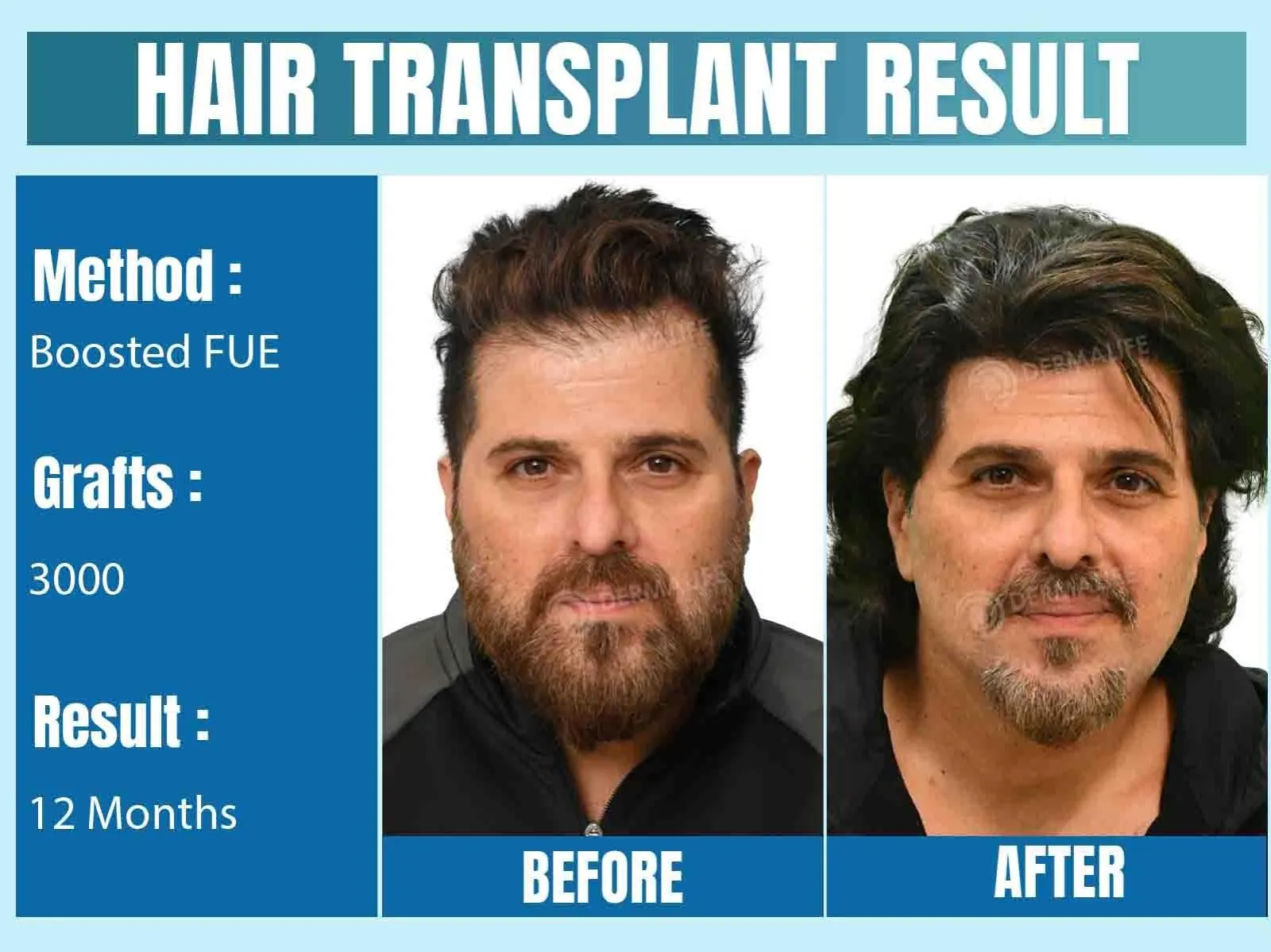
For people experiencing pattern baldness or a receding hairline, hair transplantation can be an option for restoring hair in areas affected by permanent hair loss. However, before choosing a clinic, most patients want to understand the likely expense.
The hair transplant cost in Delhi varies from one patient to another because every procedure has different requirements. The number of grafts, donor hair availability, surgeon’s experience, surgical complexity, and treatment approach can all influence the final estimate.
Understanding these factors helps patients compare clinics more effectively and avoid choosing a procedure based only on its advertised price.
1. Number of Grafts Required
The number of grafts is one of the main factors affecting hair transplant pricing.
A patient with a receding hairline may require fewer grafts than someone with extensive baldness involving the frontal scalp, mid-scalp, and crown.
However, the graft count should not be decided simply by the patient’s preference for maximum density. The surgeon must evaluate donor hair availability and distribute grafts carefully to achieve appropriate coverage without exhausting the donor area.
A personalised examination is necessary to determine the approximate number of grafts.
2. Experience and Qualifications of the Surgeon
The surgeon’s medical background is an important consideration when comparing the hair transplant price in Delhi.
Hair transplantation requires knowledge of scalp anatomy, follicular unit characteristics, hairline design, and donor management. Patients should check the surgeon’s recognised medical qualifications, additional training, and experience with different types of hair restoration cases.
It is also important to understand who performs the critical surgical steps and how the procedure is supervised.
3. Technique Used for Hair Transplantation
Different clinics may offer different approaches to hair restoration.
Follicular Unit Extraction, or FUE, involves removing individual follicular units from the donor area and placing them in the recipient region.
At Dermalife Skin & Hair Clinic, Dr. Gaurav Garg offers FUE-based hair restoration, including the clinic’s Boosted FUE approach. The technique involves the clinic’s specialised approach to extraction instruments and graft handling.
The procedure recommended for a patient depends on the condition of the scalp, donor hair characteristics, and treatment objectives. Patients should ask the surgeon to explain the actual technique and its suitability.
4. Complexity of the Hair Loss Pattern
Not every transplant is equally complex. Some patients need treatment only for the frontal hairline, while others have advanced baldness or thinning across multiple scalp regions.
The crown can be particularly challenging because hair grows in a circular pattern. Restoring the appearance of density in this area requires careful planning and appropriate graft distribution.
Patients with previous transplants, limited donor hair, or visible scarring may also need a more specialised treatment plan.
5. Corrective Hair Transplant Requirements
A corrective or repair hair transplant may involve more complex planning than a first-time procedure.
Patients may seek correction for an unnatural hairline, uneven density, visible scars, or poor results from an earlier surgery.
The surgeon must assess the previous procedure, remaining donor supply, and condition of the recipient area before deciding whether another transplant is appropriate.
Because these cases differ significantly, their cost cannot be estimated accurately without an individual examination.
6. Additional Services and Post-Operative Care
The overall treatment estimate may also depend on the services included by the clinic.
Patients should clarify whether the quotation covers consultation, procedure-related facilities, medication, dressings, and follow-up visits. They should also ask about the clinic’s post-operative instructions and whom to contact if they have concerns during recovery.
A transparent quotation helps patients understand what they are paying for and makes comparisons between clinics more meaningful.
7. Is the Cheapest Hair Transplant the Best Option?
Searching for an affordable hair transplant in Delhi is understandable. However, selecting a clinic only because it offers the lowest price can be a poor decision.
Patients should be cautious about extremely low quotations that do not explain the graft count, surgeon’s involvement, procedure details, or aftercare arrangements.
A hair transplant is a surgical procedure, and the donor area is a limited resource. Poor planning or an unsuitable procedure may create problems that are difficult and expensive to correct later.
The better approach is to compare the medical expertise, treatment plan, facilities, and transparency of different clinics.
Hair Transplant Consultation at Dermalife, New Delhi
Dermalife Skin & Hair Clinic is located in Green Park Extension, South Delhi, and provides hair restoration services under the direction of Dr. Gaurav Garg.
Dr. Garg completed his MBBS and MD in Dermatology and Venereology at Seth G. S. Medical College and KEM Hospital, Mumbai. His additional training includes hair transplant surgery in Israel, dermato-surgery at PGI Chandigarh, and advanced dermatology, dermato-surgery, and laser training at the National Skin Centre, Singapore.
The clinic offers FUE-based hair transplantation, Boosted FUE, unshaven hair transplantation, and corrective hair restoration.
Dermalife also offers a free hair transplant consultation, where patients can discuss their hair loss concerns and understand the treatment options. An individual assessment helps determine the likely graft requirement and treatment estimate.
Final Thoughts
The hair transplant cost in Delhi depends on several factors, including graft requirements, donor hair availability, surgeon experience, technique, and case complexity.
Patients should request a personalised estimate and understand the details of the proposed procedure before making a decision. Comparing clinics on medical expertise, transparent pricing, and long-term donor management is more useful than choosing a treatment based on price alone.
